
UNIVERSĀLĀ GARŠA / UNIVERSAL FLAVOUR
Tradicionāli februāra sākumā PBSP “Māksla” docētāji sadarbībā ar Rīgas Tehniskās universitātes Rēzeknes akadēmijas un Daugavpils Universitātes mācībspēkiem atver radošo darbu izstādi – virtuāli un klātienē Izglītības zinātņu un psiholoģijas bibliotēkas lasītavā. Šī gada izstādes tēma ir “Universālā garša”, tā pēta garšu kā pieredzi, kas vieno sajūtas, atmiņas un kultūras. Radošie darbi atklāj, kā garša var kļūt par vizuālu valodu – personīgu un reizē kopīgu, ikdienišķu un simbolisku. Tā ir emocionāla degustācija, kurā katrs skatītājs aicināts atpazīt savu universālo garšu. | Traditionally, at the beginning of February, lecturers of the PBSP “Art” programme, in cooperation with colleagues from RTU Rezekne Academy and Daugavpils University, open a creative works exhibition–both virtually and in person–in the reading room of the Library of Educational Sciences and Psychology. This year’s exhibition theme is “Universal Flavour”, which explores taste as an experience that unites sensations, memories, and cultures. The creative works reveal how taste can become a visual language–personal yet shared, everyday yet symbolic. It is an emotional tasting experience that invites every viewer to recognise their own universal taste. |
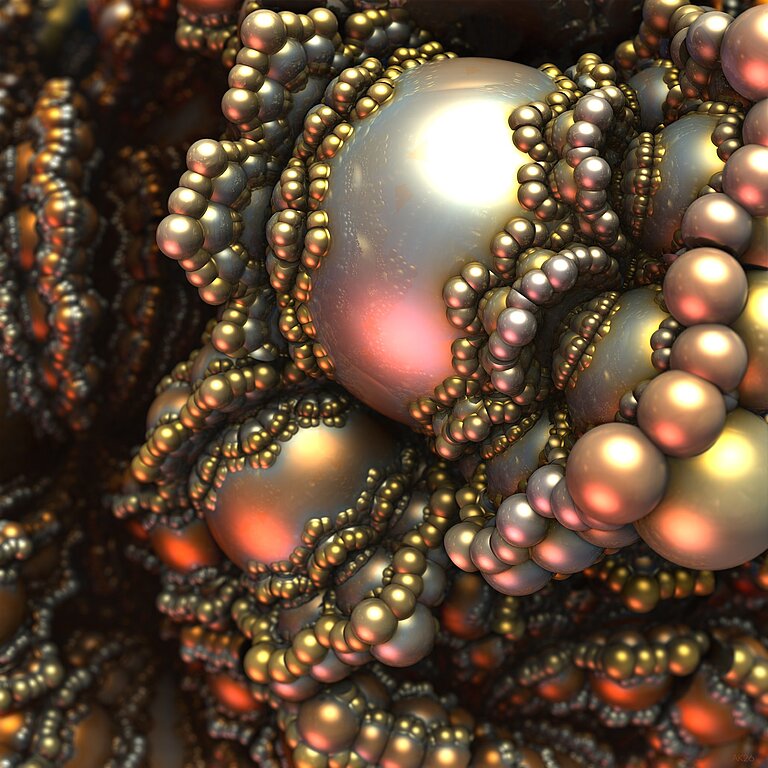
Aldis Kopštāls (LU)
GARŠAS TOPOLOĢIJA / TASTE TOPOLOGY
| Darbs ir fraktāla vizualizācija, kurā forma kļūst par sajūtu. Spīdīgās, atkārtojošās struktūras atgādina vielu, kuru gribas ne tikai skatīt, bet arī izjust ar ķermeni – it kā garša, tekstūra un telpa saplūstu vienā pieredzē. Fraktālis šeit darbojas kā visuma pamatprincips: katra detaļa atkārto kopumu, katra virsma nes sevī bezgalību. Darbs aicina ļauties lēnai, gandrīz instinktīvai uztverei, kur skatīšanās pārtop par baudījumu un visums – par kaut ko pārsteidzoši “garšīgu”. | This work is a fractal visualization in which form becomes sensation. The glossy, self-repeating structures evoke a material presence that invites not only observation but embodied experience, as if taste, texture, and space were merging into a single perceptual field. Here, the fractal operates as a fundamental principle of the universe: each detail contains the whole, each surface carries infinity. The work encourages a slow, almost instinctive mode of perception, where looking transforms into pleasure and the universe reveals itself as something unexpectedly “delicious.” |
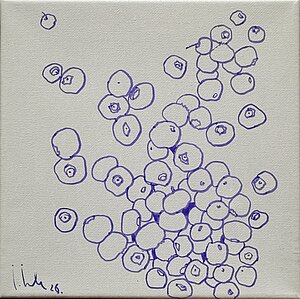
Ingrīda Irbe (LU)
SALDĀ GARŠA / SWEET TASTE
Lielās krūmmellenes ir manas iemīļotās ziemas ogas. To garša atgādina vasaru un prieku. Darbā “Saldā garša” attēlots baudījuma atkārtojums mazos, ar flomāsteru zīmētos formu ritmos, kas vienlaikus vilina un piesātina. | Big bluberries are my favorite winter berries. Their taste is reminiscence of summer and joy. “Sweet Taste” depicts the repetition of pleasure in small, felt-tip pen-drawn rhythms of forms that use to entice and saturate. |
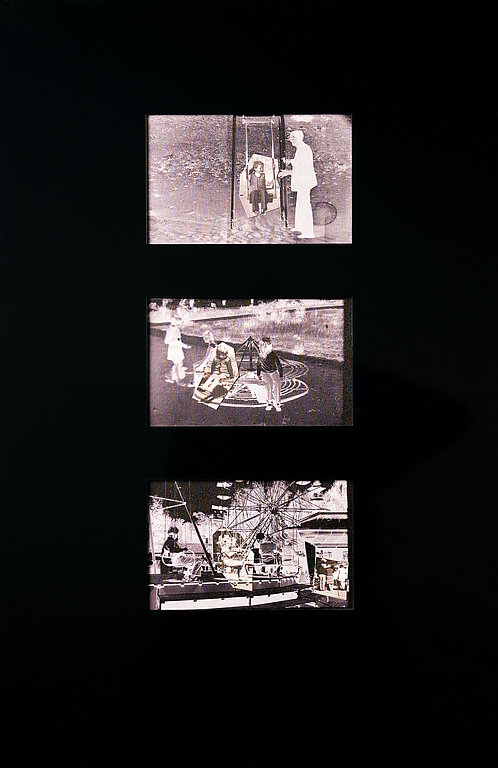

Diāna Apele (RTU Rēzeknes akadēmija)
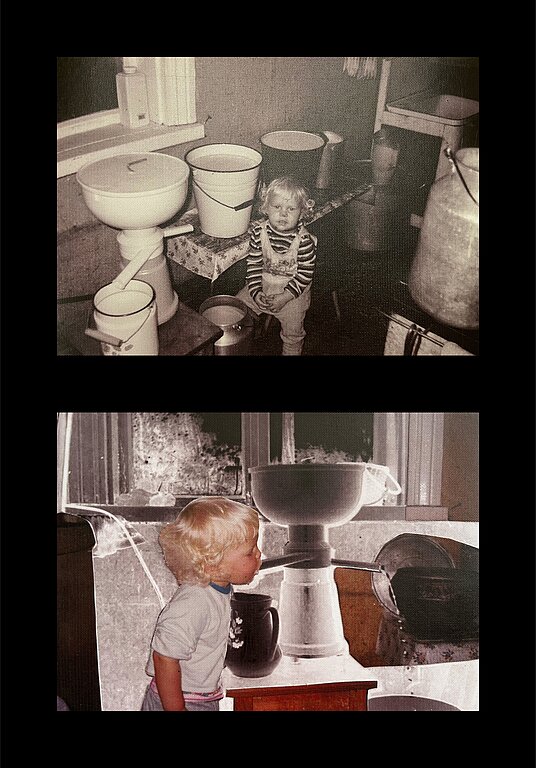
Triptihs ATGRIEZTIES. MELNBALTĀ BĒRNĪBA. BĒRNĪBAS GARŠA / Triptych RETURNING. BLACK-AND-WHITE CHILDHOOD. THE TASTE OF CHILDHOOD
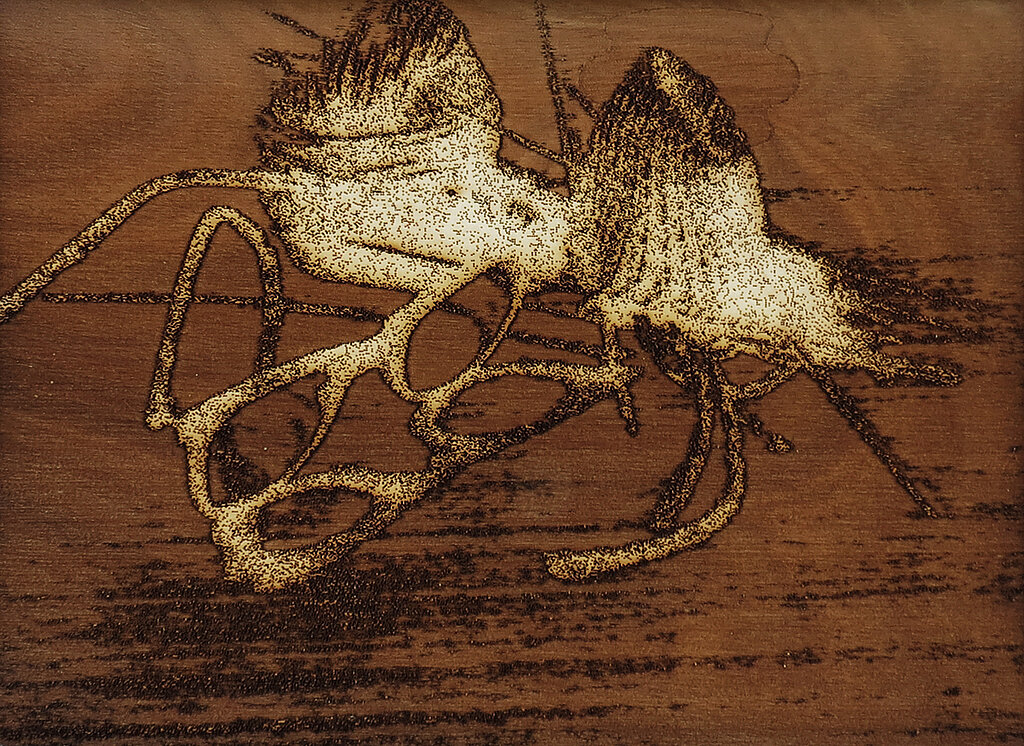
| Digitālajā laikmetā ikviens no mums atrodas nepārtrauktā informatīvajā telpā. Mūsdienās zināšanu trūkums vairs nav problēma – problēma ir to pārpilnība. Šodien, gluži kā bērnībā šūpojoties, ir īpaši svarīgi noturēt līdzsvaru starp tiešsaistes un bezsaistes dzīvesveidu. Darbu sēriju ievada bērnības motīvi, kas atver durvis atmiņu un sajūtu pasaulei. Triptiha “Atgriezties”, “Melnbaltā bērnība” un “Bērnības GARŠA”, kā arī darba “Īšu šaļti acaguļt…” jeb “Vecmāmiņas stāsts” koncepts savijas ar mūsdienu dzīves mākslas kontekstu, kur tiek aicināts tvert mirkli, apzināti mainīt savus paradumus un uzsākt jēgpilnu dzīves veidošanu jau tagad. Ne mums, ne mūsu bērniem nav dots bezgalīgi daudz laika, lai to pavadītu tikai virtuālajā realitātē, iluzori konstruējot sociālajos tīklos “labāku sevis versiju”, bet patiesībā – nemanot zaudējot sevi. Darbu sērija ir autores dziļi personisku izjūtu atsegums, ietērpjot tās mākslinieciskos tēlos, izmantojot dažādus materiālus – kanvu, akrilu un finieri, kā arī kolāžas un lāzergravēšanas tehnikas, par pamatu ņemot analogo fotogrāfiju, kas šodien pārvēršas par sava veida vērtību. Taču aizskartās tēmas ir nenoliedzami vispārcilvēciskas, universālas un atspoguļo nezūdošas personīgās un globālās pasaules vērtības. Domāju, ka šajos konceptuālajos mākslas darbos katrs var atpazīt arī sevi… Lai veicas! Šūposimies! Priecāsimies kā bērnībā! Adīsim zeķes! Dzersim lauku pienu! | In the digital age, each of us exists within a constant informational space. Today, the lack of knowledge is no longer a problem–the problem is its overabundance. Just like swinging in childhood, it is especially important nowadays to maintain balance between online and offline ways of living. The series of works is introduced by childhood motifs that open the door to a world of memories and sensations. The concept of the triptych “Returning,” “Black-and-White Childhood,” and “The TASTE of Childhood,” as well as the work “Īšu šaļti acaguļt…” or “Grandmother’s Story,” intertwines with the contemporary art context of life, inviting the viewer to seize the moment, consciously change habits, and begin creating a meaningful life here and now. Neither we nor our children are given an infinite amount of time to spend solely in virtual reality, illusorily constructing a “better version of ourselves” on social media, while in reality–unnoticeably losing ourselves. The series is a revelation of the author’s deeply personal emotions, clothed in artistic imagery and created using various materials–canvas, acrylic, and veneer, as well as collage and laser engraving techniques–based on analogue photography, which today has transformed into a kind of value in itself. Yet the themes addressed are undeniably universal, reflecting enduring personal and global values of the human world. I believe that in these conceptual works of art, everyone can also recognize themselves… Good luck! Let’s swing! Let’s rejoice like in childhood! Let’s knit socks! Let’s drink farm milk! |
Diāna Apele (RTU Rēzeknes akadēmija)
ĪŠU ŠAĻTI ACAGUĻT… jeb VECMĀMIŅAS STĀSTS / GRANDMOTHER’S STORY
Austra Celmiņa-Ķeirāne (LU)
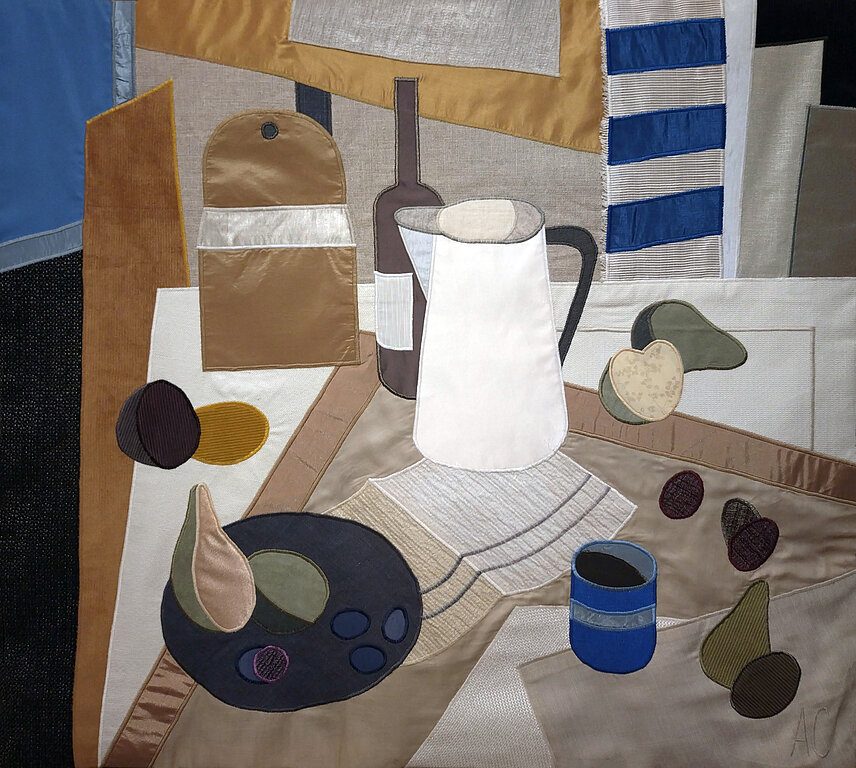
VILIS OZOLS. No cikla LATVIJAS MĀKSLAS VĒSTURE / VILIS OZOLS. From the LATVIAN ART HISTORY series
| Viļa Ozola klusās dabas iemieso vienkāršu ēdienu un dzērienu, labas glezniecības un smalka kolorīta garšu. Tekstilmozaīkas darbs tapis sērijā, kas veltīta Latvijas māksliniekiem. | Vilis Ozols’ still lifes embody the flavour of simple food and drink, good painting and subtle colouring. The patchwork was created as part of a series dedicated to Latvian artists. |
Agris Dzilna (LU)
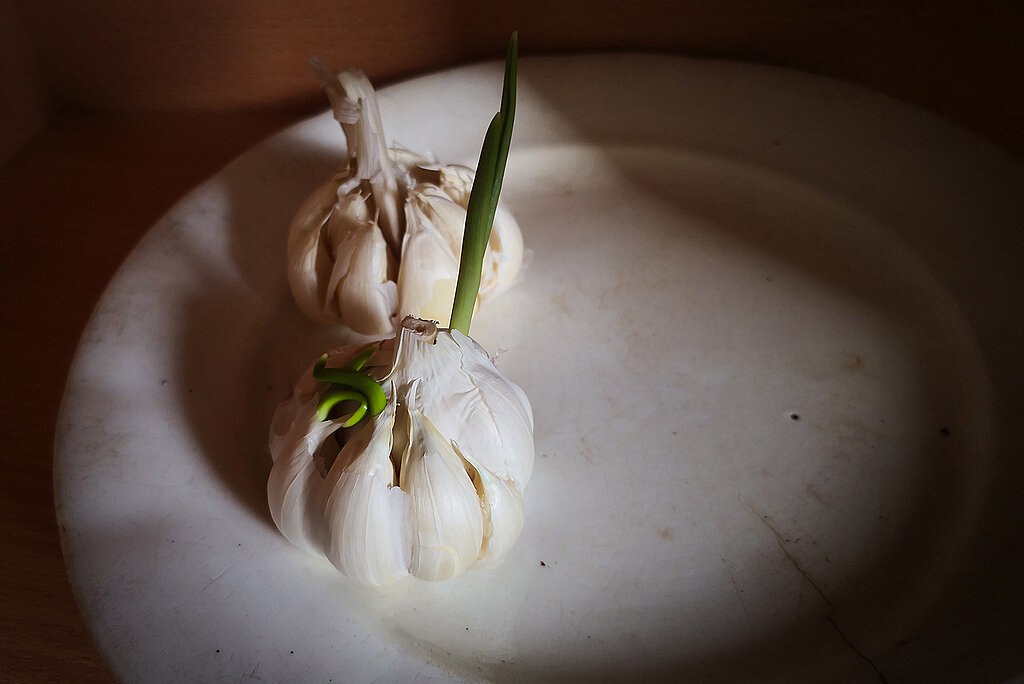
ETALONA TRANSFORMĀCIJA / TRANSFORMATION OF THE STANDARD
| Ķiploku pamatoti var uzskatīt ne tikai par piesātinātas un unikālas garšas etalonu, bet arī par dzīvības spēka metaforu. Daudzos ēšanas rituālos tā klātbūtne garšas pieredzi pārvērš svinīgā, gandrīz sakrālā epizodē. Šeit tiek vizualizēta tā saistība ar dzīvesgribu, kas turpina sevi atjaunot ārpus mūsu kontroles. | Garlic can be considered a standard not only for its rich and unique flavour but also as a metaphor for the power of life. In many eating rituals, its presence transforms the taste experience into a solemn, almost sacred event. Here, its connection with the will to live, which renews itself beyond our control, is visualised. |
Rita Broka (LU)
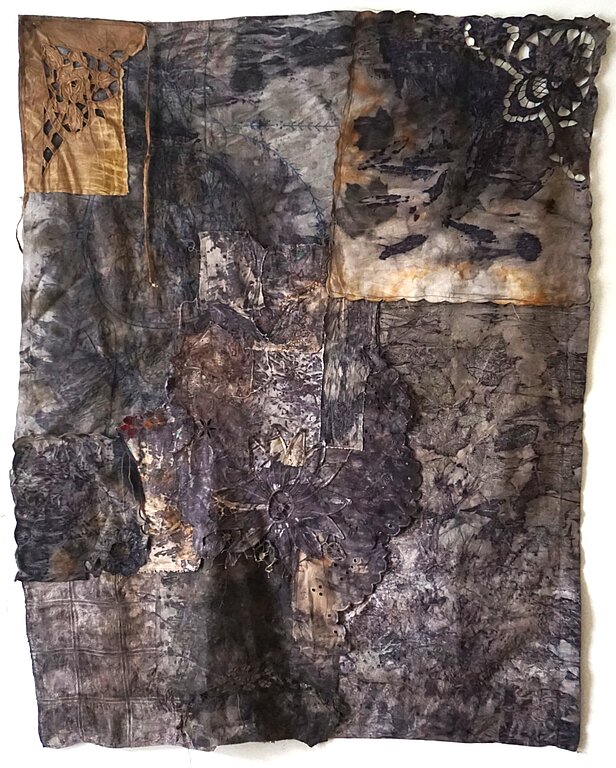
DEGUMA SAJŪTA / THE SENSE OF BURN
| Deguma sajūta var tikt sajusta vēl pirms tā ir ieraudzīta, lokalizēta, saprasta – asa, noturīga un satraucoša. Tā mirklī pārvietojas caur ķermeni kā uzplaiksnījusi karstuma atmiņa bez redzamas liesmas un skaņas. Tekstila objekts “Deguma sajūta” ir veidots no lietotu audumu atgriezumiem, tekstila pārpalikumiem un izšuvumiem, krāsotiem ar augu un organiskajām krāsvielām. Tā pēta degšanu un ar to saistītās sajūtas kā sensoro un emocionālu pieredzi, kas rodas caur asociācijām. Uguns šeit parādās kā atmiņu aktivizējoša aģence, kas iezīmē, pārveido un satrauc, ļaujot redzamajai matērijai kļūt par karstuma, zuduma un klusas intensitātes nesēju. | The sense of something burned is often sensed before it is seen–sharp, lingering, and difficult to locate. It moves across the body as a memory of heat and smell rather than a visible flame. “The Sense of Burn” is composed of used fabric scraps, remnants, and discarded embroideries, dyed with plant and organic dyes, and explores burning as a sensory and emotional experience formed through association. Fire appears as an active agent that marks, transforms, and unsettles, allowing sight to evoke taste, touch, and feeling, and turning material traces into carriers of heat, loss, and quiet intensity. |
Agata Muze (LU)
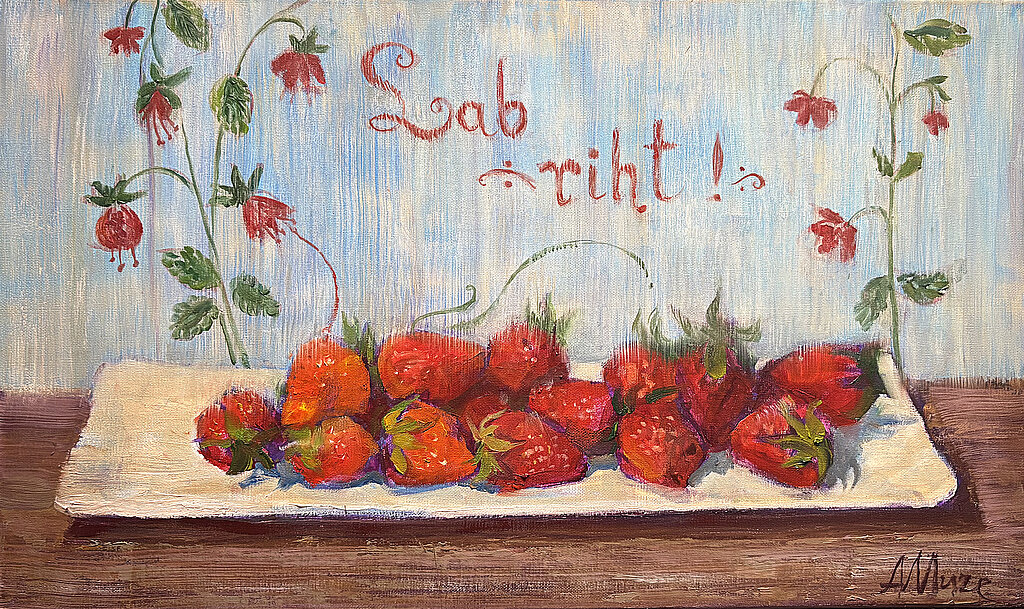
BĒRNĪBAS GARŠA / THE TASTE OF CHILDHOOD
| Šis darbs ir atmiņu un saldskābu sajūtu ietverts. Tās ir atmiņas par laiku, kad zemenes varēja dabūt tikai vasarā. Un visbiežāk no rīta, izejot vecmāmiņas dārzā un ložņājot pa dobēm, cerībā, ka esi pirmais, kurš šorīt pārbauda ražu, un ka pa nakti kāda odziņa būs jau pietiekami nosarkusi, lai tiktu nogaršota. | This work is filled with memories and bittersweet feelings. These are memories of a time when strawberries were only available in summer. And most often in the morning, going out to your grandmother's garden and sneaking around the beds, hoping that you would be the first to check the harvest that morning and that overnight some berries would have ripened enough to be tasted. |



Zeltīte Barševska, Arvīds Barševskis (DU)
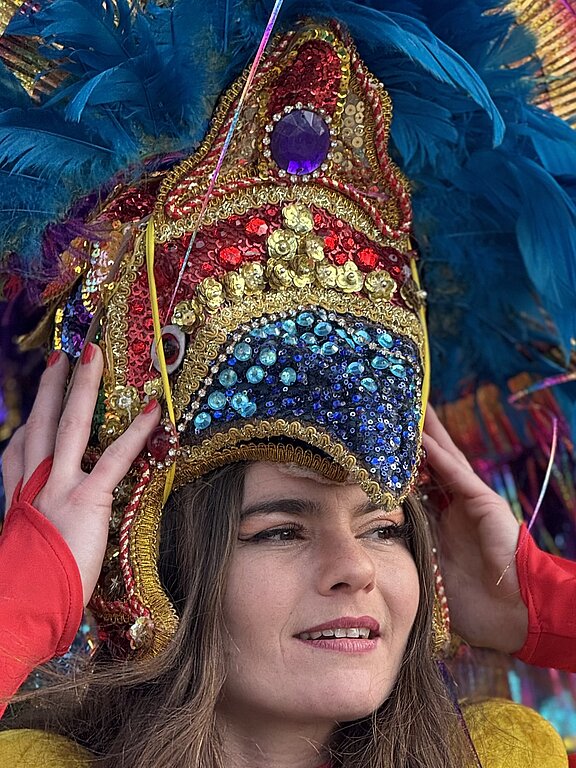
Kvadriptihs PROVANSAS GARŠA. NICAS KARNEVĀLS / Quadriptych A TASTE OF PROVENCE: NICE CARNIVAL
| Svētki, saules izgaismotas krāsas, radošums, dzīvesprieks un brīvība. Mirklis, kurā ikdiena atkāpjas fantāzijas priekšā, bet pilsēta dzīvo vienotā ritmā – smejoties, svinot un baudot dzīvi. | Celebrations, sunlit colors, creativity, joy of life and freedom. A moment when everyday life gives way to fantasy, and the city lives in a unified rhythm – laughing, celebrating and enjoying life. |
Solvita Zariņa (LU)
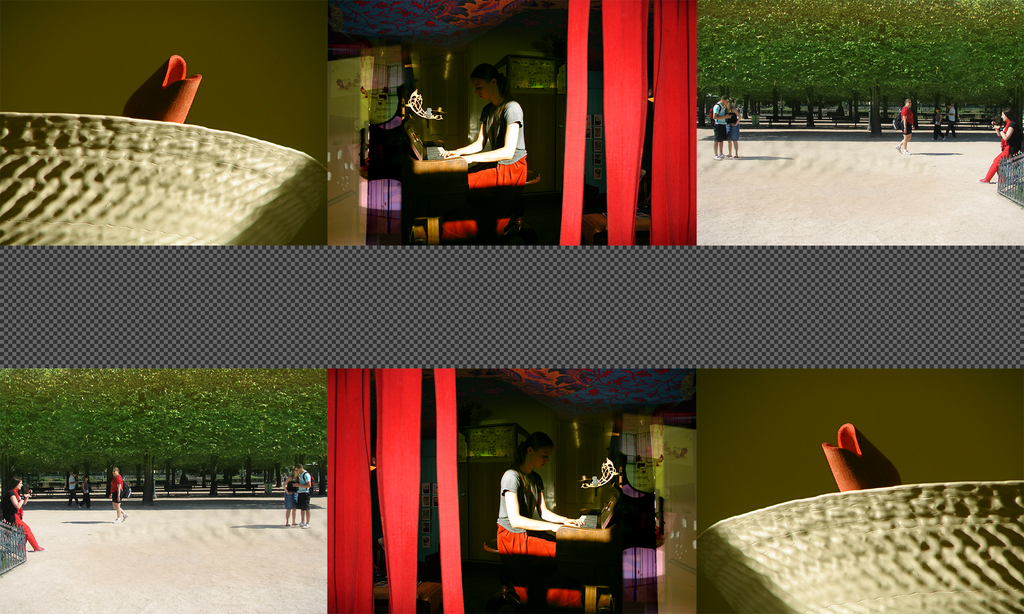
VIZUĀLĀ VĒSTĪJUMA STUDIJA / STUDY OF VISUAL MESSAGE
| Šis darbs ir veltīts vizuālās informācijas izpratnei dažādās kultūrās. Skatītāji var izlemt, vai mākslas darbs ir piemērs iekļaujošas pieredzes radīšanai vai arī ironisks komentārs par ģeopolitisko korektumu, “vienlīdzīgi” respektējot skatīšanās virzienu no kreisās uz labo un no labās uz kreiso pusi. Darba centrā novietotais laukums ļauj iztēloties to kā “tukšuma” attēlojumu ar caurspīdīgu fona slāni, tādējādi sekojot dizaineru profesionālajā pieredzē balstītām zināšanām par datorgrafikas lietojumprogrammām. Taču šī laukuma “vēstījumu” var arī interpretēt kā “horror vacui” (bailes no tukšuma), liekot atcerēties Rietumu kultūrā sastopamo uzskatu par vizuālās izteiksmes veidu, kas raksturīgs Vidējiem Austrumiem. | This work focuses on the processing of visual information across different cultures. Viewers may decide whether the artwork creates an inclusive experience or serves as an ironic commentary on geopolitical correctness, “equally” respecting both LTR (left-to-right) and RTL (right-to-left) viewing directions. The central area of the work invites the audience to see it as a representation of “emptiness” with a transparent background layer, reflecting the designers’ professional experience with computer graphics applications. Alternatively, the “message” of this area may be seen as a “horror vacui” (fear of emptiness), referencing the Western cultural notion of a visual expression supposedly characteristic of the Middle East. |
Ēra Zalcmane (LU)
ZEFĪRS / ZEPHYR
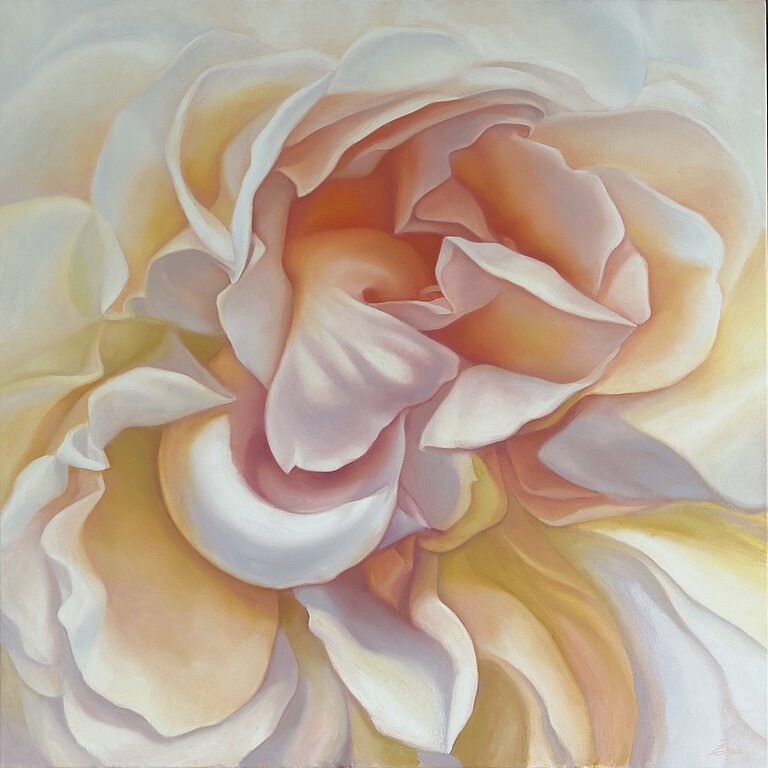
| “Zefīrs” ir eļļas glezna izstādei “Universālā garša”, kurā pētīta rozes krāsu, gaismas un faktūras smalkā mijiedarbe. Pietuvinātais skatījums izceļ ziedlapu samtainumu un maigas pārejas starp krēmīgiem vaniļas toņiem un sārtiem akcentiem, radot gandrīz sajūtamu salduma klātbūtni. Nosaukums atsaucas uz rozi ‘Zefīrs’ – ziedu, kura maigums un tonālā niansētība atgādina gaisīgu, kūstošu zefīru. | “Zephyr” is an oil painting created for the exhibition “Universal Flavour,” exploring the subtle interplay of rose color, light, and texture. The close-up perspective highlights the velvety quality of the petals and gentle transitions between creamy, vanilla tones and soft pink accents, creating an almost tangible sense of sweetness. The title refers to the rose “Zephyr” – a bloom whose delicacy and tonal nuance evoke the light, melting softness of a marshmallow. |
Nikifs (LU)
FRĒZIJA / FREESIA
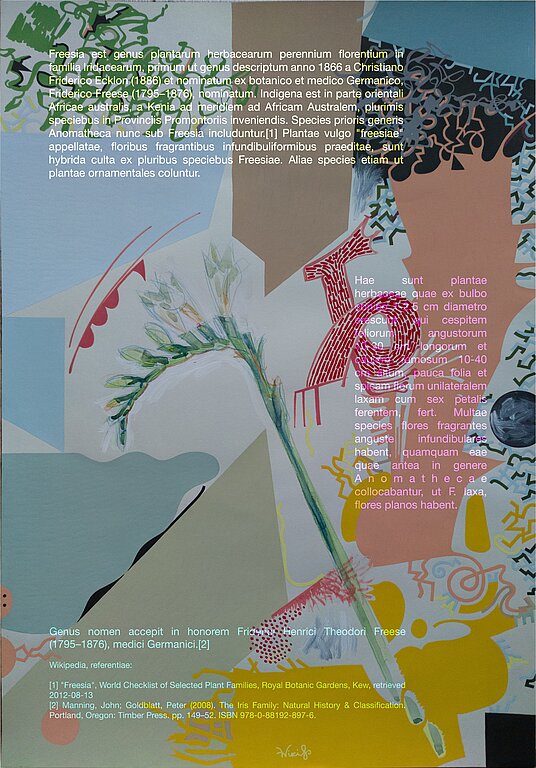
"Freesia est genus plantarum herbacearum perennium florentium in familia Iridacearum, primum ut genus descriptum anno 1866 a Christiano Friderico Ecklon (1886) et nominatum ex botanico et medico Germanico, Friderico Freese (1795–1876), nominatum. Indigena est in parte orientali Africae australis, a Kenia ad meridiem ad Africam Australem, plurimis speciebus in Provinciis Promontoriis inveniendis. Species prioris generis Anomatheca nunc sub Freesia includuntur.[1] Plantae vulgo "freesiae" appellatae, floribus fragrantibus infundibuliformibus praeditae, sunt hybrida culta ex pluribus speciebus Freesiae. Aliae species etiam ut plantae ornamentales coluntur. Hae sunt plantae herbaceae quae ex bulbo conico 1–2.5 cm diametro crescunt, qui cespitem foliorum angustorum 10–30 cm longorum et caulem ramosum 10–40 cm altum, pauca folia et spicam florum unilateralem laxam cum sex petalis ferentem, fert. Multae species flores fragrantes anguste infundibulares habent, quamquam eae quae antea in genere Anomathecae collocabantur, ut F. laxa, flores planos habent. Wikipedia, referentiae: |

Gita Līpenīte (RTU Rēzeknes akadēmija)
MARTA SONĀTE / MARCH SONATA
Ir auksts, vibrējošs rīts. Saule paceļas virs apvāršņa jau diezgan agri – gaiss spirgts, rīta noskaņa trausla un gaistoša. Galvenais šobrīd ir nesakustēties, neelpot pārāk strauji, notvert šo mirkli un atklāt tā burvību. Šī glezna ir mēģinājums fiksēt to nenotveramību, kad ziema vēl nav gribējusi aiziet, bet pavasaris jau klauvē pie durvīm. Krāsu slāņi – rozā, sarkanie, dzeltenie toņi pret ledaini zilgano un melno – veido vizuālu simfoniju, kur katrs triepiena vilciens ir kā nots, kas atskan tikai vienu reizi. Elpa sastingst brīnuma nojautā. | It is a cold, vibrant morning. The sun rises above the horizon quite early – the air is crisp, the morning mood fragile and fleeting. The main thing is not to move, not to breathe too quickly, to capture this moment and reveal its magic. And then you hear it – through frost-covered tree branches, through snow-laden streams, through sun-glittering snow crusts – a quiet melody. A March Sonata. This painting captures that elusiveness when winter has not yet left, but spring is already knocking at the door. The layers of color – pink, red, yellow tones against icy blue-green and black – create a visual symphony, where each brushstroke sounds only once. Breath freezes in anticipation of wonder. March Sonata is about that brief moment when transition occurs in nature – felt, but not yet visible. A dream taking form in colors. |
Gita Līpenīte (RTU Rēzeknes akadēmija)
PAVASARA PRELŪDIJA / SPRING PRELUDE
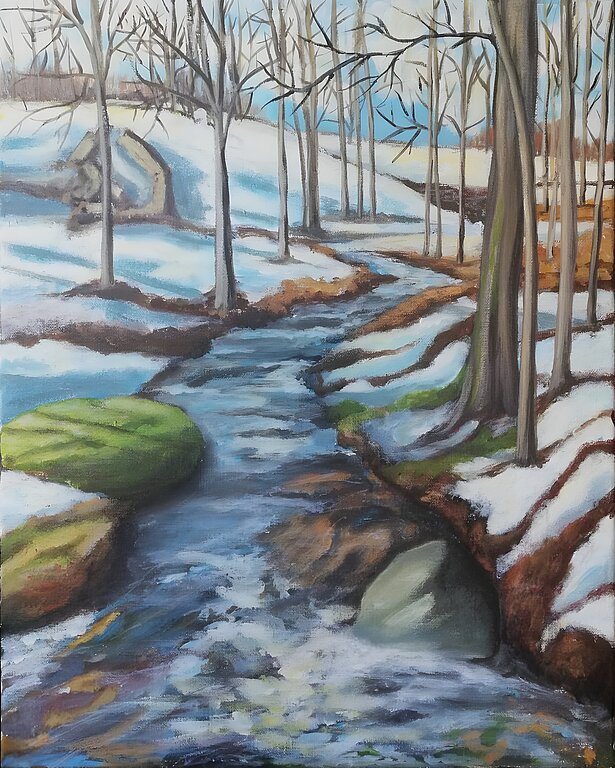
| Mežs mostas no ziemas miega. Caur kailo koku zarojumu plūst viegls vējš, kas nes sev līdzi pavasara smaržu un solījumu. Zem kājām vēl čirkst sniegs, bet strautiņš jau dzied savu dziesmu – skaidru, dzidru, nepacietīgu. Zaļie sūnu spilveni uz akmeņiem ir pirmie, kas atbild pavasara aicinājumam. Tie mirdz spilgti pret baltajām sniega saliņām, kā cerības zīmes, kas lauž ziemas auksto valdīšanu. Ūdens plūst priecīgi, atbrīvojies no ledus važām, atspulgo debess zilumu un koku ēnas. Šī glezna ir par gaidīšanu un pāreju. Par to klusu mirkli, kad daba uzņem elpu pirms lielā uzplaukuma. Katrs triepiens uztver šo trauslumu – mirkli starp aukstumu un siltumu, starp miegu un atmodu. Pavasara prelūdija ir ievads pārvērtībai, kas drīz piepildīs mežu ar dzīvību, krāsām un skaņām. | The forest awakens from winter sleep. A gentle breeze flows through the bare tree branches, carrying with it the scent and promise of spring. Underfoot, snow still crunches, but the stream already sings its song – clear, bright, impatient. Green moss cushions on the stones are the first to answer spring's call. They glow brightly against the white patches of snow, like signs of hope breaking winter's cold reign. Water flows joyfully, freed from icy chains, reflecting the sky's blue and tree shadows. This painting is about waiting and transition. About that quiet moment when nature draws breath before the great blooming. Each brushstroke captures this fragility – the moment between cold and warmth, between sleep and awakening. Spring Prelude is an introduction to the transformation that will soon fill the forest with life, colors, and sounds. |
Gaļina Mālniece (LU)
PALIKT CILVĒKAM / TO REMAIN HUMAN
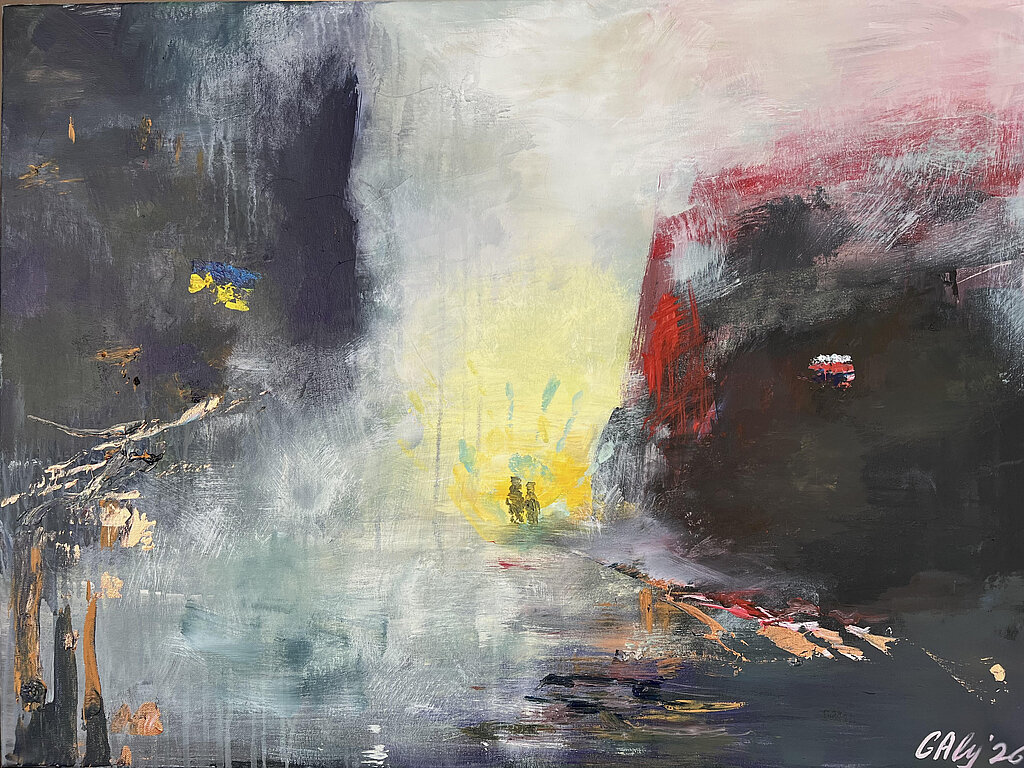
| Būt cilvēkam ir vērtība, kurai nav puses. Karš šķeļ, bet cilvēcība vieno un atgriež spēju otrā saskatīt cilvēku. Drosme palikt dzīvam dvēselē neļauj ļaunumam kļūt par normu. Šis darbs ir par prāta un līdzcietības izvēli kā universālo garšvielu pasaulei, kas nogurusi no vardarbības. | To be human is a value that has no side. War divides, while humanity connects and restores the ability to see a person in the other, not a label. The courage to remain alive in spirit prevents evil from becoming the norm. This work reflects a choice of reason and compassion as a universal seasoning for a world weary of violence. |
Aivars Plotka (LU)
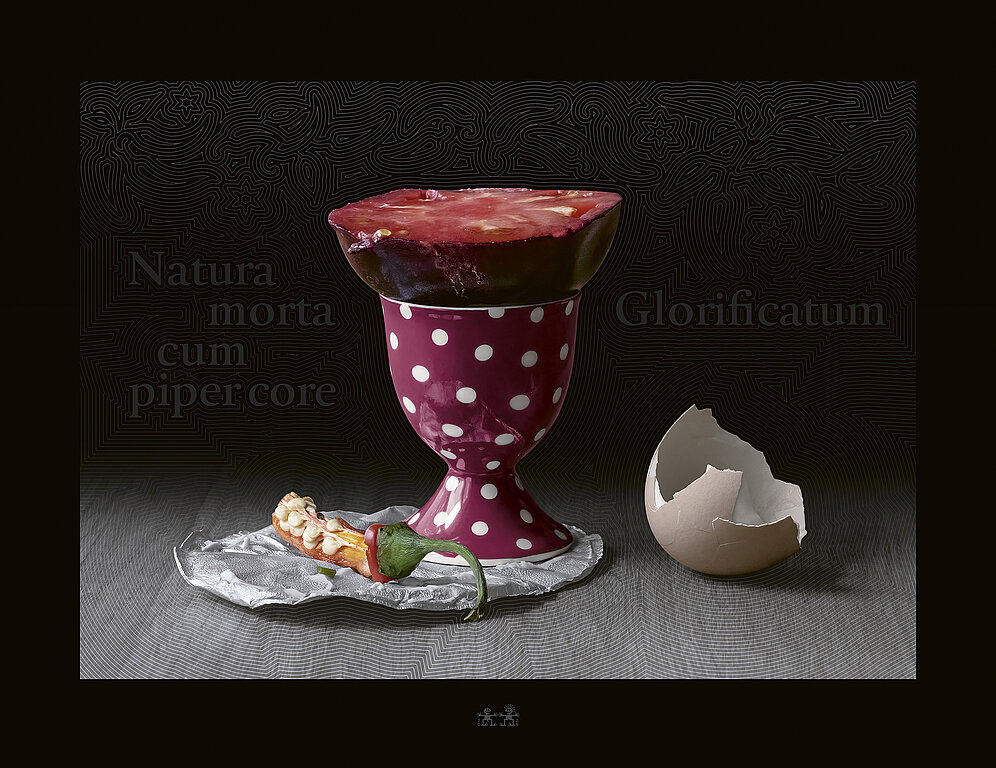
KLUSĀ DABA AR PIPARA SERDI / STILL LIFE WITH PEPPER CORE
| Arī vēlām brokastīm reiz pienāk beigas. | Even brunch comes to an end. |
Aivars Plotka (LU)
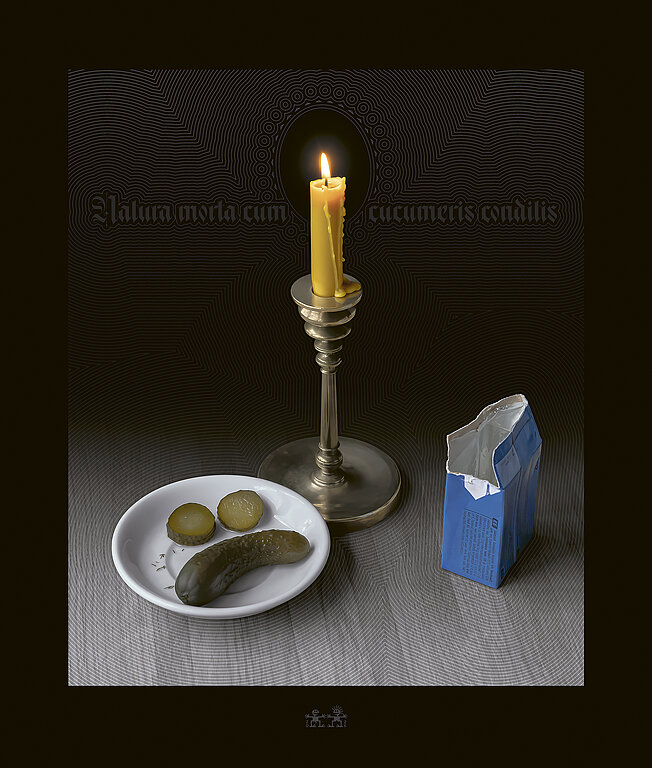
KLUSĀ DABA AR SKĀBU GURĶI / STILL LIFE WITH PICKLED CUCUMBER
| Atstāt uz šķīvja vai apēst? Neatbildams jautājums. | Leave it on the plate or eat it? An unanswerable question. |
Inese Dundure (RTU Rēzeknes akadēmija)
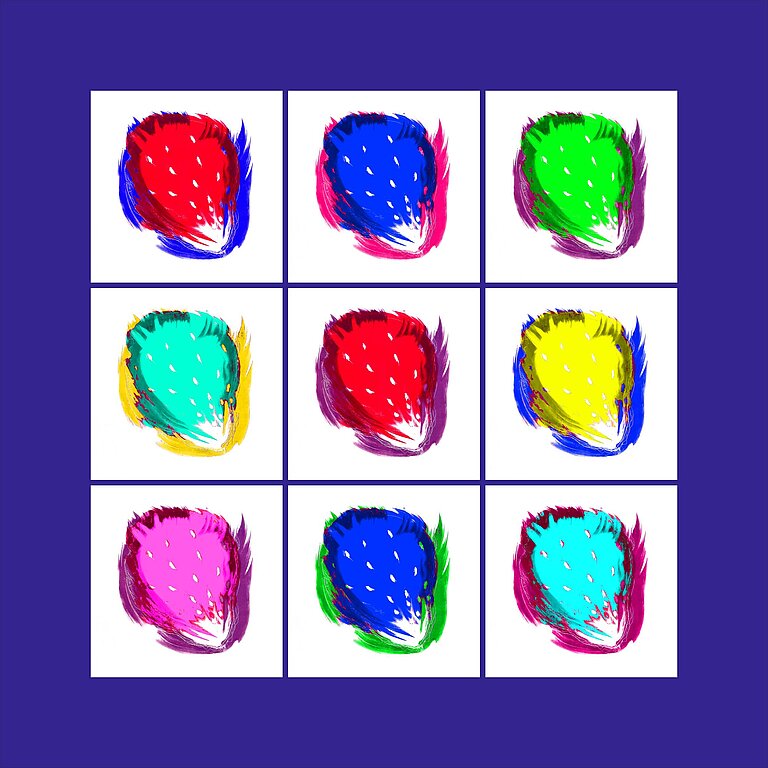
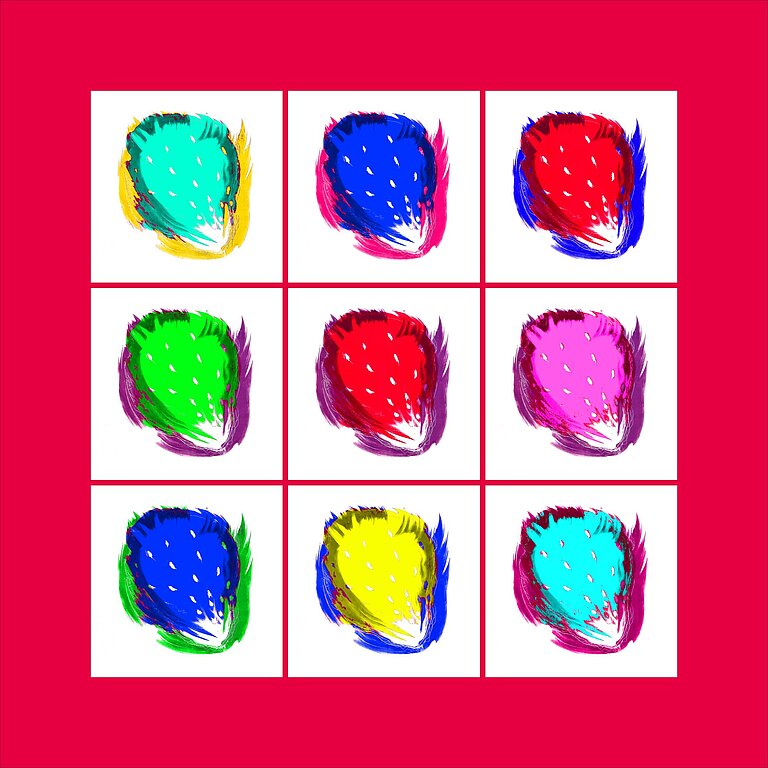
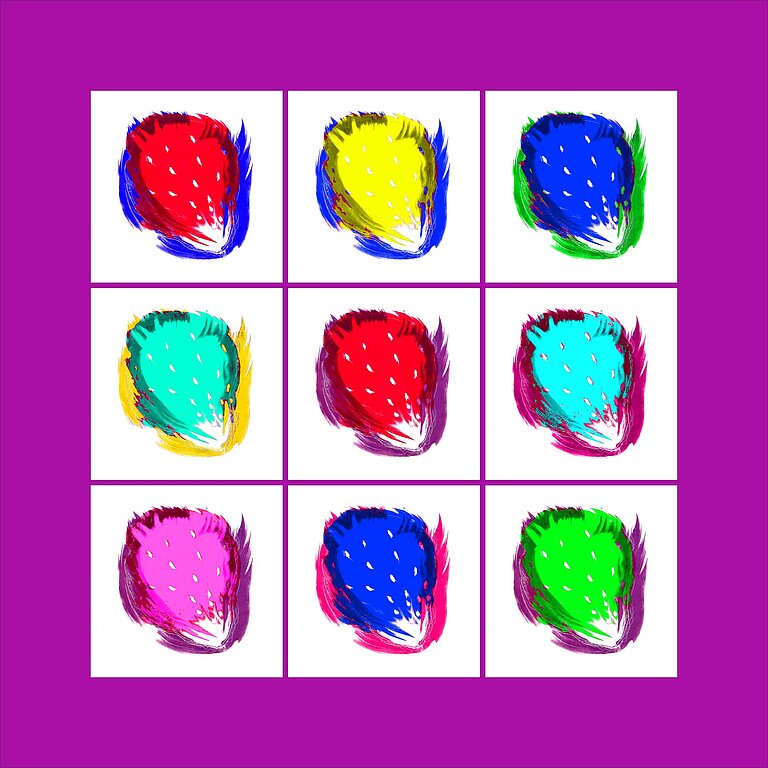
Triptihs SINTĒTISKĀ ZEMENE / Triptych SYNTHETIC STRAWBERRY
| Triptihs popārta estētikā pēta zemenes formu kā zīmi – nevis dabisku augli, bet tā mākslīgo, konstruēto versiju. Krāsu variācijas un atkārtojums rada mutācijas efektu, kur pazīstamā, gandrīz universālā garša pastāv neatkarīgi no dabiskās krāsas vai izcelsmes. Darbs reflektē par atmiņu, uztveri un sintētisku pieredzi laikmetā, kur “zemenes garša” bieži eksistē bez pašas zemenes. | This pop-art triptych explores the strawberry as a symbol – not a natural fruit, but its artificial, constructed version. Color variations and repetition create a mutation effect, where the familiar, almost universal flavor exists independently of natural color or origin. The work reflects on memory, perception, and synthetic experience in a time when “strawberry flavor” often exists without the fruit itself. |